

The resurrection of our (best) worst nightmares, or Konami cash-grab?
After almost two decades of heartbreak, false starts, years of unsubstantiated and quashed rumours, Konami finally unveiled the news die-hard fans have been waiting so impatiently for: Silent Hill, in all its bloody glory, is returning at last!
After October’s Silent Hill Transmission premiered with little warning (and low expectations), you could almost hear the collective rapture emanating across Twitter like the jarring metallic clang in the rusted bowels of Silent Hill’s Otherworld. The excitement was palpable, no less for me who was sucked into this nightmare world way back in 1999, when the first one arrived on the original PlayStation. As a die-hard for this fictional horror world – even the less-than-stellar titles that arrived later in the franchise’s lifespan – I was among the ecstatic faithful celebrating the announcement of not just one new game, but three.
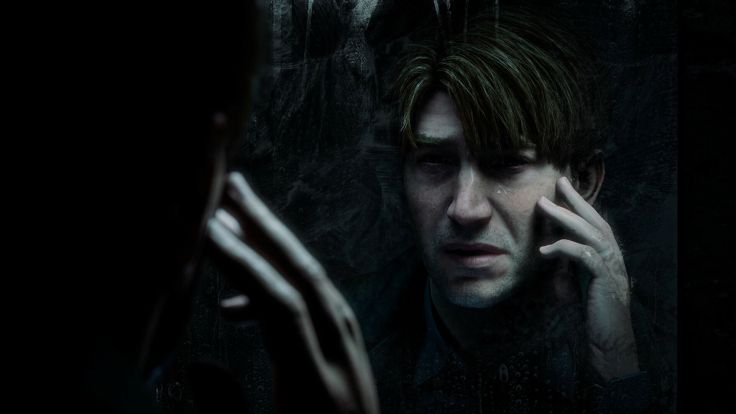
The highlight of Konami’s showcase was, of course, the announcement of series’ crown jewel Silent Hill 2 being remade by Team Bloober, of Layers of Fear, Blair Witch and The Medium fame (or infamy), under the watchful eye of much of the original Team Silent. I couldn’t contain my excitement as I watched the familiar opening scene of James Sunderland gazing at himself in the grimy bathroom mirror, drawing a hand over a new and beautifully rendered face. The fine detail, textures and subtle facial nuances were breathtakingly realistic.
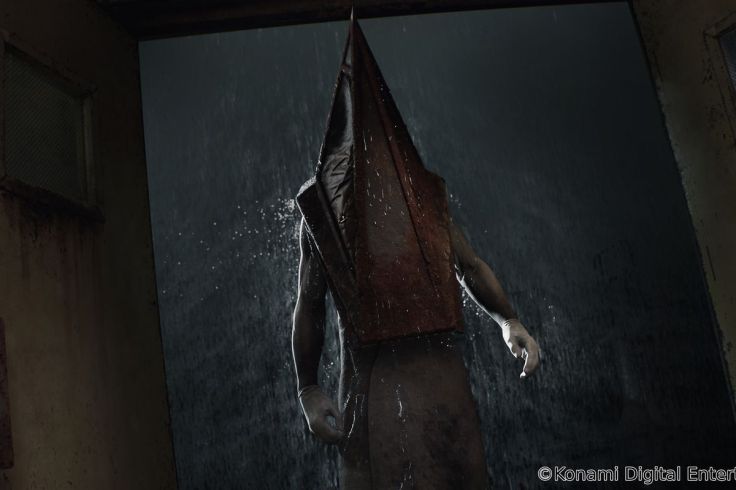
But as I watched Pyramid Head shuffle into the middle of the screen, as terrifying as the day PS2 users were first introduced to him – his menacing, lumbering form, head heavy with the weight of sin and his Great Blade dragging behind him – my heart began to sink.
Not because I wasn’t excited; not because of what it symbolised for the future of my favourite horror series – that being simply they’re finally investing in it again! – but because of the intention behind it. Behind my elation, I couldn’t help but wonder: why now? After all the years of fans clamouring, why is Konami only caving now?
And for anyone who knows, fans have good reason to be suspicious of Konami’s motives.
Once upon a time, Konami was one of the world’s premier and most respected game publishers. First achieving great success with arcade games in the early 80s, they really hit their stride im the late 90s with Hideo Kojima’s esteemed Metal Gear Solid games and, of course, Silent Hill. Silent Hill was Konami’s answer to Capcom’s Resident Evil, and action-horror juggernaut full of zombies, body horror, corporate conspiracy and genetic experimentation.
Silent Hill, by contrast, found its roots in Japanese horror tales, combining metaphor, supernatural folk tales, with a quasi-sentient town that manifested its inhabitants’ personal demons; more relatable stakes (a man searching for his lost daughter) starring an “everyman” character who had no great skill at fighting the horrors he faces; and a deep philosophical undercurrent about the nature of man. Silent Hill was never as popular nor as lucrative as Resident Evil, but its depth and unique character won it a cult following.
But it was Silent Hill 2, premiering on the PlayStation 2, that really put it on the map, not least for the introduction of “Red Pyramid Thing”, or “Pyramid Head”, as the eponymous antagonist is colloquially known, became so iconic that future Silent Hill games seemingly couldn’t release without him making a cameo. He was always James’s punisher, his darker self reflected honestly back at him, representing his desire to be punished for killing his sick wife. Despite the very specific and personal context, however, Pyramid Head became so beloved and iconic that even his designer, Masahiro Ito, admitted to regretting his creation.
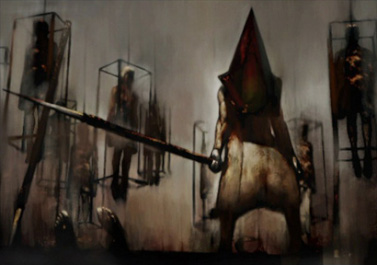
Perhaps Ito could smell the stench on the breeze, the rot coming off the horizon. Given his proximity to its source, perhaps he and the rest of Team Silent could smell what the consumer yet couldn’t: the prostitution – the potential cash-cow status – of one of horror’s most terrifying and significant characters.
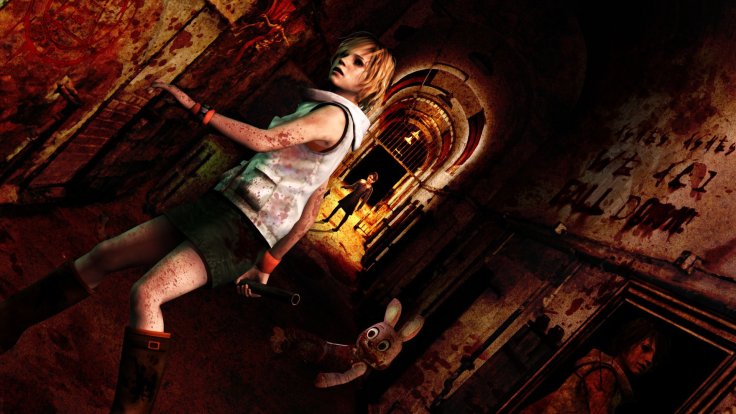
Silent Hill 3 (2003) continued the story of the first game some 15 years later, and while it was an excellent game, but it – like its predecessor – was a commercial failure, and less appreciated by fans then than it is now. Both titles at the time of release were just too different from whay fans loved in the original Silent Hill, even though all in all it was an improvement over both previous games, with smoother gameplay and better graphics.
Despite Silent Hill 2’s commercial and critical failure at the time, Pyramid Head himself was a huge stand-out. It is easy to imagine while Konami was less than pleased with the fiscal returns on the second and third games, they nonetheless saw dollar signs when it came to old mate PH.
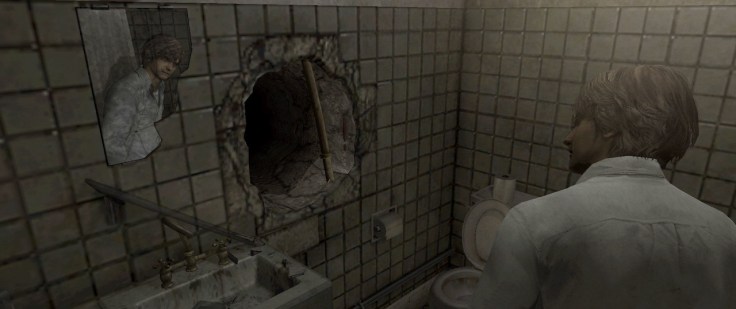
Silent Hill 4: The Room (2004) tried to do something new and bold by splicing 1st-person and traditional 3rd-person gameplay into the existing lore, adding new monsters, locales and a sinister new antagonist in the form of cultic serial killer, Walter Sullivan—changes that, in retrospect, would be reassessed more favourably but at the time were not particularly well-received.
Then Team Silent was forced to disband by parent company Konami, because it allegedly wanted Western developers to make future games. Thus began the waning years of the franchise, and where the franchise’s identity became unmoored.
Silent Hill Origins (2007) was an unnecessary instalment that recycled several key characters from the original game but failed to offer additional insight into the town’s history or mythos. Shattered Memories (2008), a quasi-remake of the original game in a time before remakes were commonplace, was critically well-received but suffered from the same problem: it offered nothing particularly new, but this time did so without the benefit of Team Silent’s guidance and vision.
Later that same year Silent Hill: Homecoming was released for the PS3, the first instalment on the new generation of consoles, but its clunky combat, lacklustre story, and tokenistic re-purposing of Pyramid Head outside its original context for existing, was a backwards step for the series.
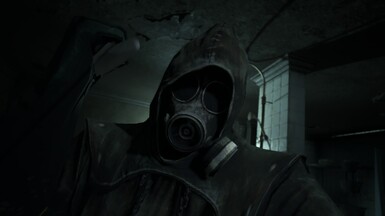
Silent Hill: Downpour (2012), the last major release of the series, once again tried to do something new, bold, and innovative. It introduced a new “stalking boogeyman” as a stand-in for Pyramid Head, which, honestly, didn’t quite land the same. The gas-masked “boogeyman” was still scary but just didn’t have the same metaphorical or psychological gravitas as other monsters from the franchise. The game ultimately failed to recapture the spirit or identity that made the first four games great; yet it also failed to create anything fresh and new that could take an identity of its own removed from the Silent Hill name.
This, it seemed, was the end. Silent Hill, that abyssal nexus into tortured psyches, drawing troubked souls like moths to flame, had become less an exploration of the human condition and personal horror, and become simply a brand: a name with a cult following and a wide and nebulous mythology that could be exploited and populated with generic carbon-copy horror tales; all rusting, bleeding glamour removed of all depth.
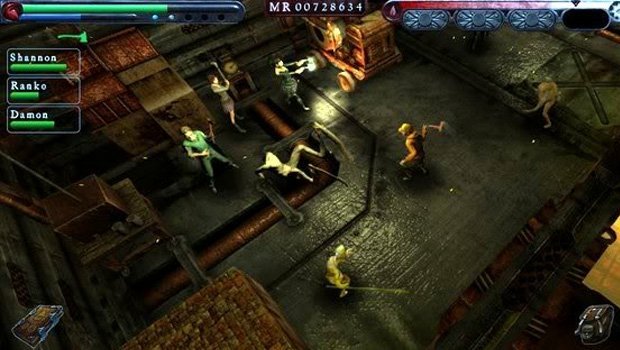
And for Valtiel’s sake, don’t even get me started on that travesty of a cash-grab, Book of Memories. I almost forgot to include it as a venomous mention-in-passing. I wish I could simply forget it existed.
When P.T. (“Playable Teaser”) released on PlayStation Store in 2014, nobody initially realised its connection to Silent Hill. It was an innocuous walking simulator through the hallways of a deserted house, which became more dilapidated and unsettling as the player wound about on a loop, stalked by a hostile spirit named Lisa. Once the final puzzle was solved and the player managed to escape the loop, a cinematic trailer played featuring actor Norman Reedus walking into a familiar-looking, fog-cloaked town. P.T. was, in fact, a teaser for Silent Hills, a new sequel helmed by Hideo Kojima with famed director Guillermo Del Toro collaborating for the new game.
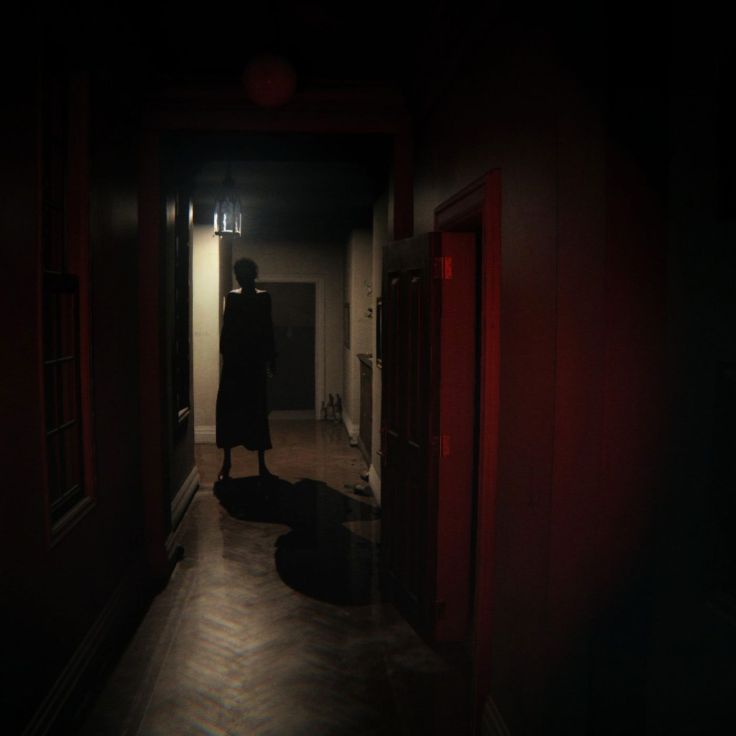
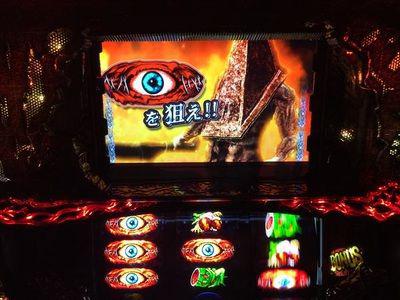
But less than a year later, Konami unceremoniously cancelled Silent Hills, following a very public and irreconcilable fall-out with long-time collaborator Kojima. Shortly after, the company announced they were moving away from console games to mobile gaming, notorious for their microtransactions. In the subsequent years, the Silent Hill IP was only occasionally trotted out to financially exploit its distinctive character (ahem, Pyramid Head on those pachinko machines?) and licensing some its characters for guest spots in games like Dead by Daylight (which, again, required said characters to be purchased as a microtransaction). The dissolution of hope for series fans, myself included, was utter and palpable. Konami had trashed one of its most significant and lucrative properties by—ironically—monetising it with abandon.
The glory days are gone—that’s been clear for some time, if not in the history of how things have played out, then in the fact of necessity. Can Konami redeem themselves and produce a series of excellent horror games? Absolutely: they’ve done it before, so they can do it again. But we need to accept that Silent Hill has undergone an identity change, and maybe that’s not a bad thing. Even if Silent Hill 2 Remake is a success, it will only be on the back of the original game’s success given new appeal through modernised gameplay and graphics—unnecessary, really, since the original was a near perfect narrative experience whose janky combat, occasionally hiccupping animations and the graphical limitations of the time’s hardware worked to its advantage, creating a greater sense of the visceral discomfort and claustrophobia within its hellish world. We could let Silent Hill 2 out to pasture to gracefully age and allow the series to reinvent itself, become something more than it is or has ever been. The mythology and the setting certainly allow for that.
If Konami do right by these next three instalments of this beloved series – and it’s a big, ominous IF – the problem then won’t lie with the company, but rather us, the fans. That problem will be our failure to accept that change is necessary for all things to thrive – not just the franchise itself, but for the creators. We know almost nothing of Silent Hill: Townfall, but we do know that Silent Hill f, the last game announced in the Transmission, isn’t even set in the eponymous town, but in rural 1960s Japan. Yes, I’m wary of that big fundamental change; yes, it seems odd for a game named after a town in Midwest America called Silent Hill to suddenly not be set there. However, I’m encouraged to remain open-minded. As consumers we should absolutely hold companies to account for shoddy product, but the flipside is that if we don’t support developer efforts to innovate, be bold and try fresh ideas within the lore and mythos – in short, to keep their passion for the project alive – they may just stop making the games again out of sheer ennui, and that, I think, would be worse. An identity change isn’t fatal. In fact, diversity gives creations—and its creators—new vigour.
Truth be told, I am excited to see what’s coming over the next couple of years. But I think it’s important to approach it all with cautious optimism, for us to check our hype and leave our expectations at the door, but but also our prejudices. Silent Hill can still be great without being the Silent Hill of the past.
 Marcus Turner

Leave a comment